For many people, eyebrow changes are one of the unexpected parts of cancer treatment. While hair loss on the scalp is often discussed, the loss or thinning of eyebrows can feel just as significant because they help frame your face and express emotion.
If this is something you're experiencing, you're not alone. Many people find it helpful to know what to expect, what options are available and when is the right time to think about restoring or recreating their brows.
This guide is intended to gently explain some of those options and is informed by my cancer care training through TPOT (The Power of Touch) and Conscious Cancer Care . It isn't medical advice and every person's treatment journey is different, but I hope it helps you feel informed and supported.
Will chemotherapy affect your eyebrows?
It can, although not everyone experiences eyebrow loss in the same way.
If your chemotherapy causes hair loss, it may also cause thinning or loss of the eyebrows, eyelashes and other body hair. Some people notice only a little thinning, while others lose most or all of their eyebrow hair. Equally, some people retain much of their eyebrow hair throughout treatment.
The amount of hair loss varies depending on the treatment you are receiving and how your body responds, so it isn't possible to predict exactly what will happen for any individual.
When does eyebrow loss typically happen during treatment?
For people whose treatment causes hair loss, eyebrow changes often begin gradually rather than all at once.
Many people notice scalp hair starting to shed around two weeks after their first chemotherapy treatment, with eyebrows often thinning over the following weeks. For others, eyebrow loss happens later in treatment and some people experience only partial thinning rather than complete loss.
Every experience is different, so try not to compare your journey with someone else's.
Do eyebrows grow back after chemo?
In most cases, eyebrows begin to grow back after chemotherapy has finished.
They often return more slowly than the hair on your scalp and may initially appear lighter, finer or patchier than before. It can take several months for the brows to become more established and for some people the texture or colour may be slightly different as they regrow.
Because everyone's recovery is unique, it's worth allowing your skin and brows time to settle before deciding on any long-term cosmetic treatment.
Do I need medical sign-off before having semi-permanent makeup?
Yes, however if you are having chemotherapy, semi-permanent makeup cannot be carried out during active treatment.
Semi-permanent eyebrow treatments place pigment into the surface of the skin, which creates tiny breaks in the skin that need to heal. Chemotherapy weakens the immune system, which increases the risk of infection and can affect how well the skin heals. For this reason, we do not carry out semi-permanent treatments while a client is receiving chemotherapy.
If you would like semi-permanent eyebrows, the treatment needs to be completed before chemotherapy begins. This is only possible if your oncology team confirms that there is enough time before your treatment starts and that it is appropriate for you.
If you have already started or completed treatment
If chemotherapy has already begun, temporary options such as pencils, powders and brow pens can be adjusted as your own hair changes. We cover these further down this guide.
Once you have finished treatment, please speak with your oncology team before booking. They understand your individual treatment plan and recovery and they are the best people to advise when your immune system has recovered enough for a semi-permanent treatment to be safe.
Our commitment to your safety
At Cambridge Brow Sanctuary, we will always ask clients to confirm that they have discussed semi-permanent treatment with their oncology team before booking. We will never proceed without that confirmation as your well being will always come before any treatment.
What are your options for eyebrows during and after treatment?
There isn't one solution that suits everyone and that's perfectly okay. What feels right during active treatment may be very different from what you choose months or years later.
Temporary makeup options
Many people choose to recreate their eyebrows using pencils, powders or brow pens. These products can create soft, natural-looking brows and can be adjusted as your own hair changes.
Some people also find eyebrow stencils or stick-on brows helpful while their natural brows are absent.
Professional brow styling
If you still have some eyebrow hair, treatments such as HD Brows, HD BrowStay or brow lamination (HD BrowSculpt) may help define and shape your existing brows without being permanent.
These can be particularly helpful if your eyebrows have become thinner rather than disappearing completely.
Semi-permanent eyebrows
For people whose eyebrow loss is more significant or whose brows have not fully returned after treatment, semi-permanent brow treatments may become an option once your medical team confirms it is appropriate.
At Cambridge Brow Sanctuary, we specialise in:
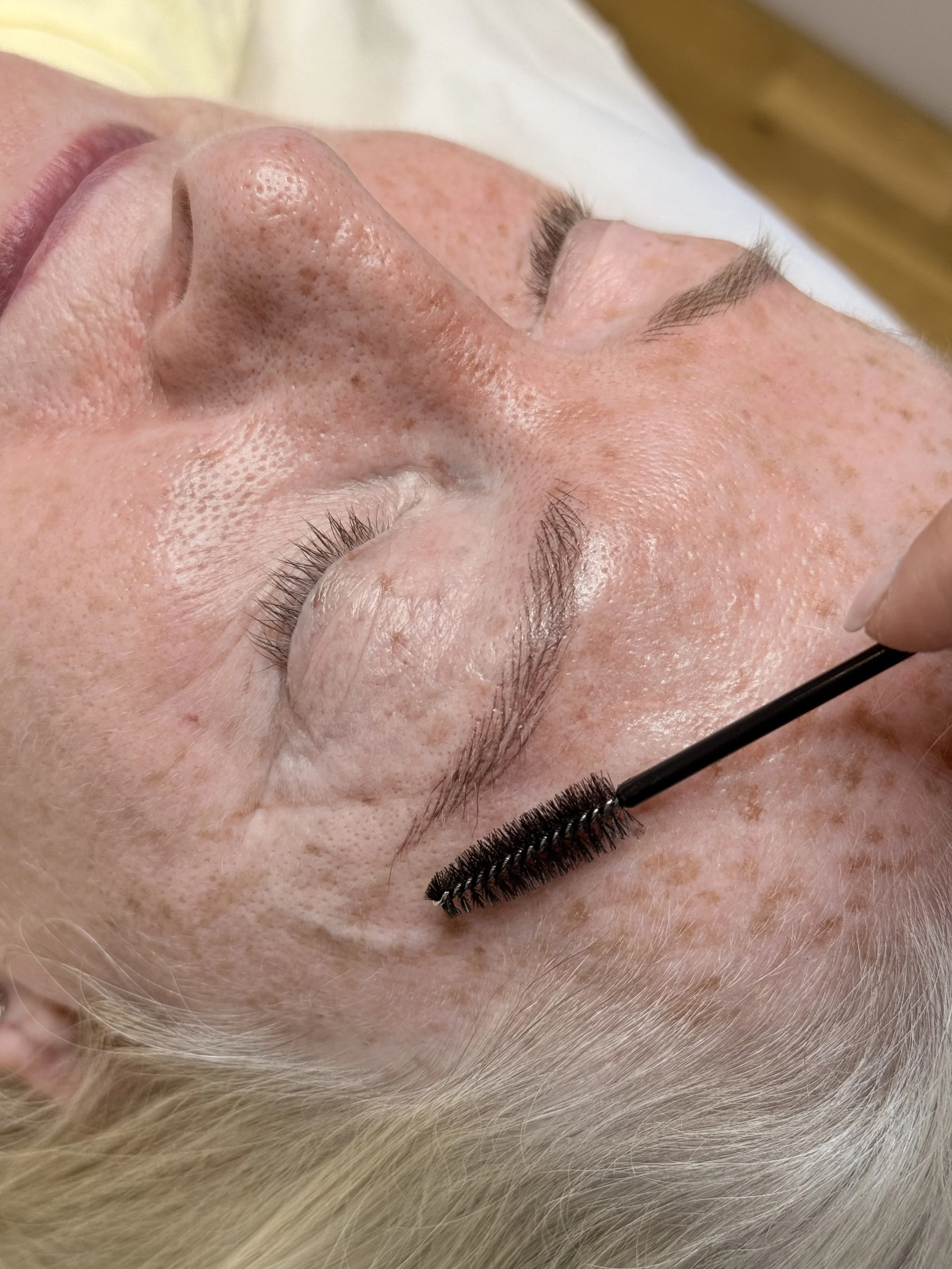
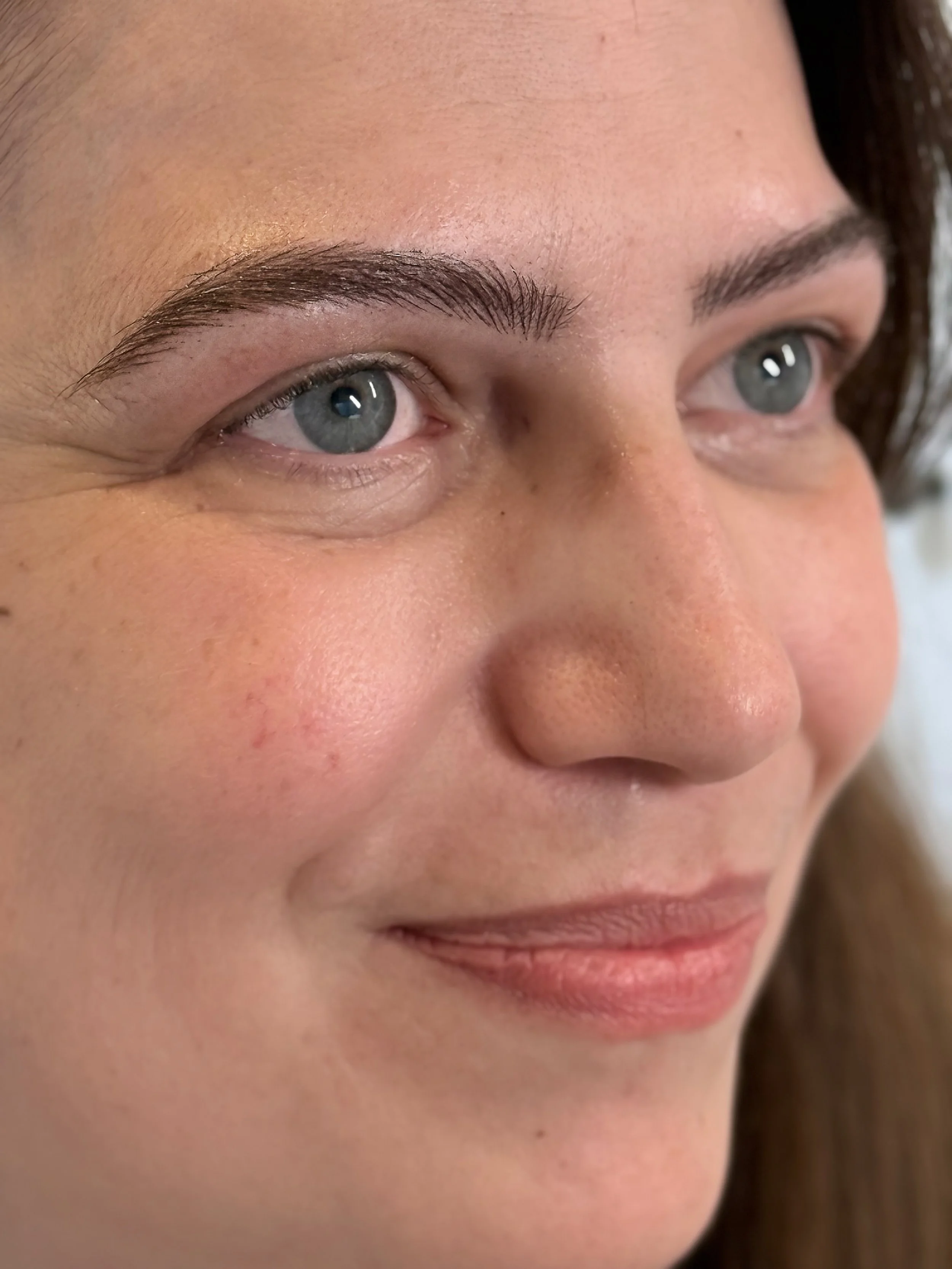
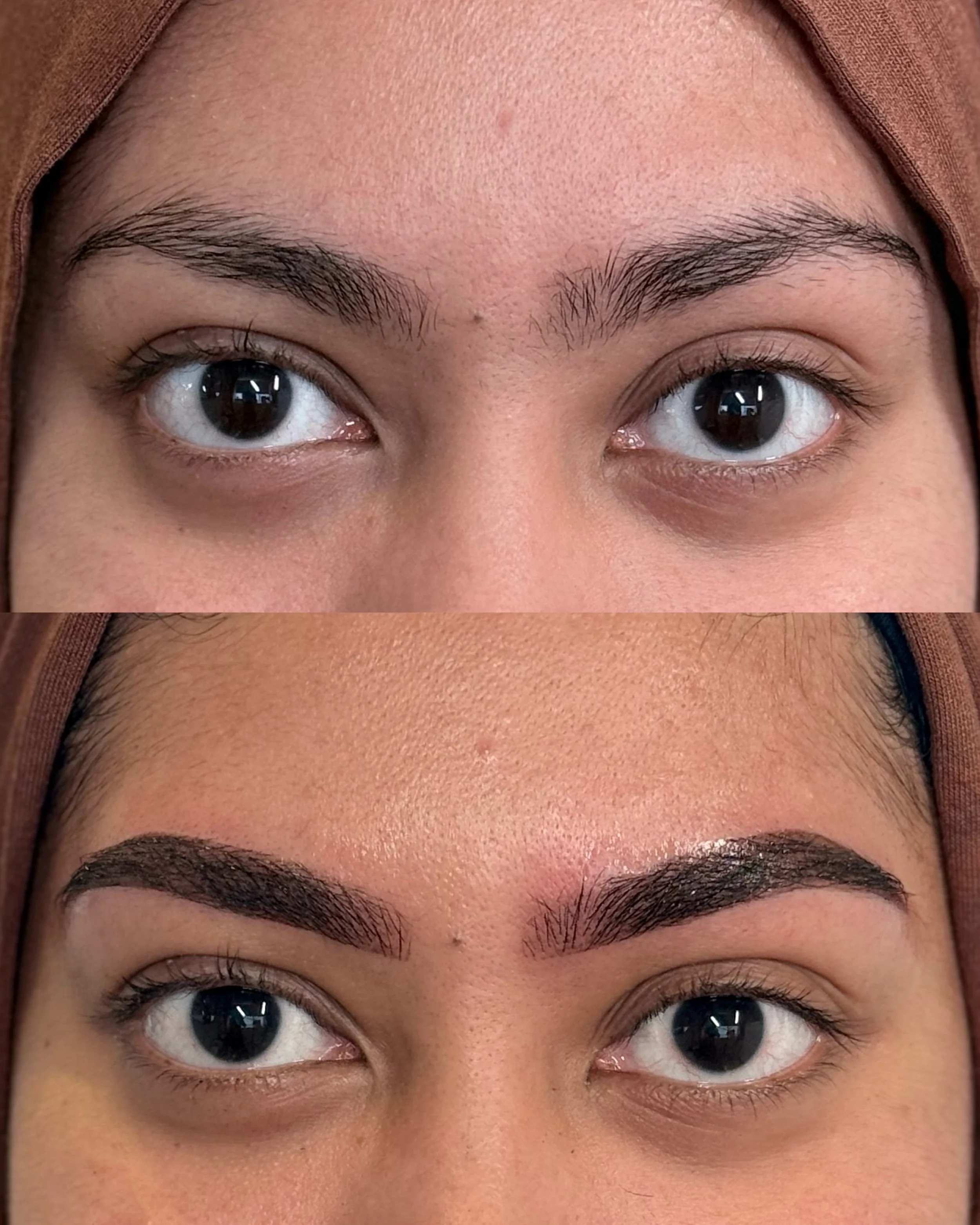
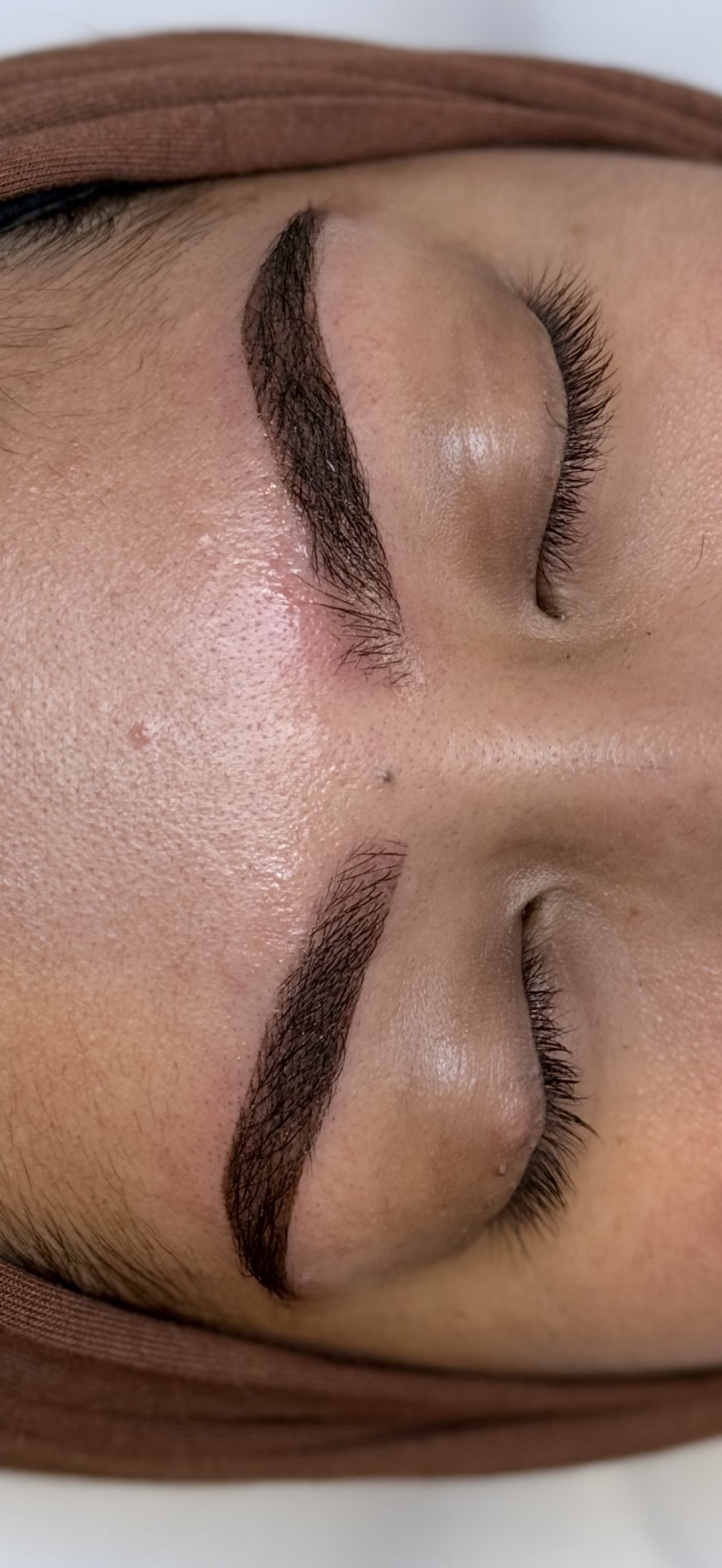
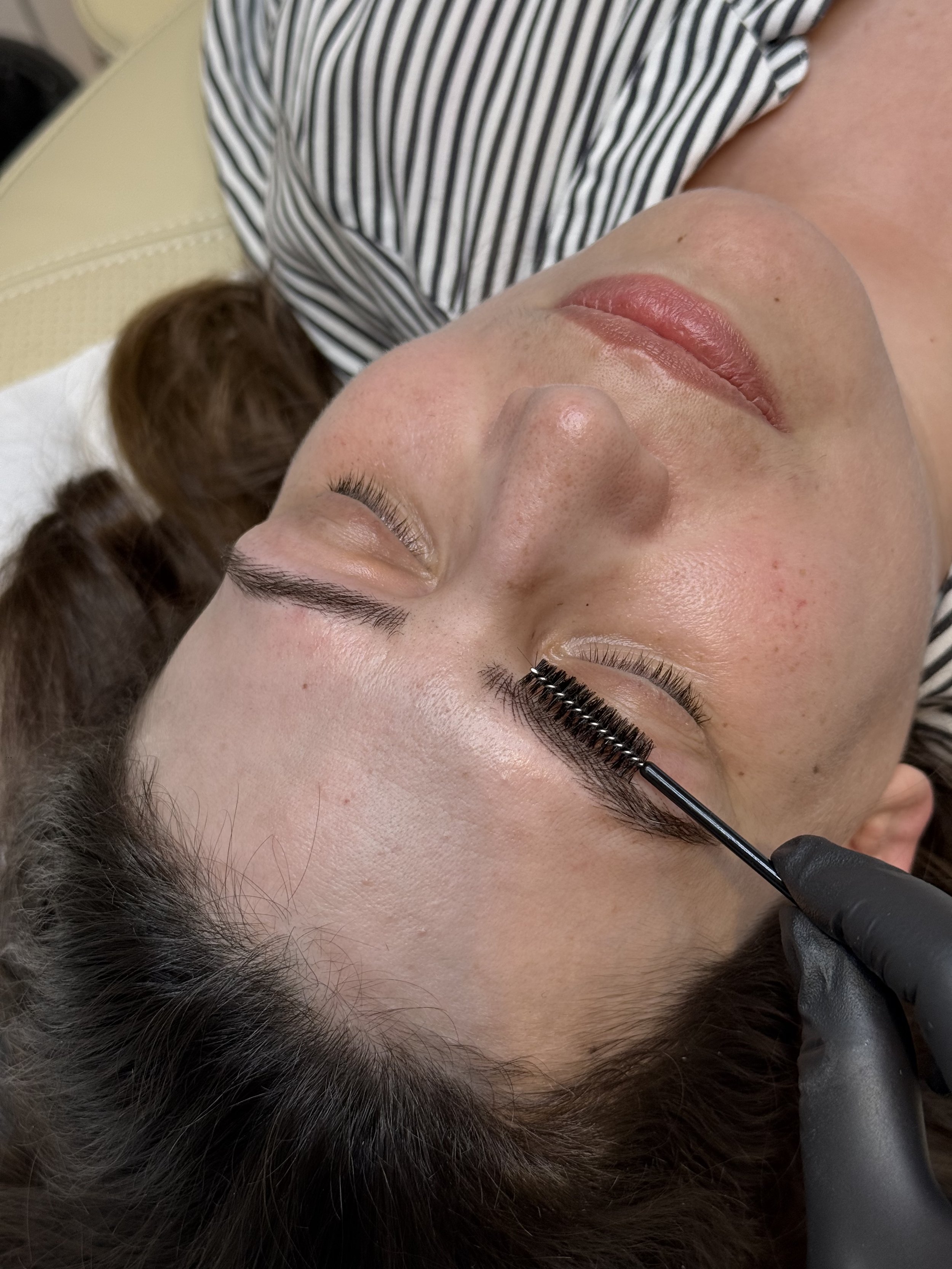
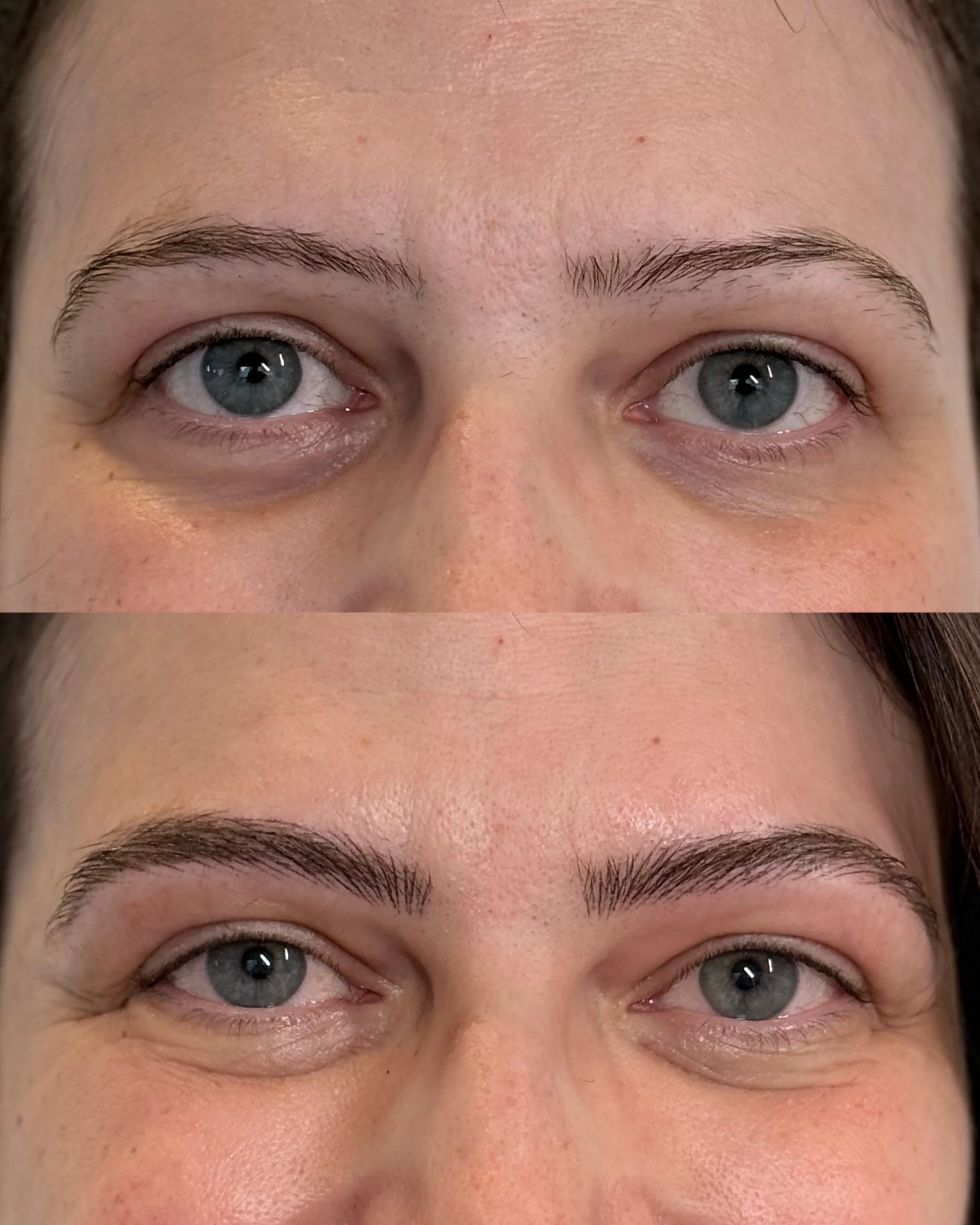
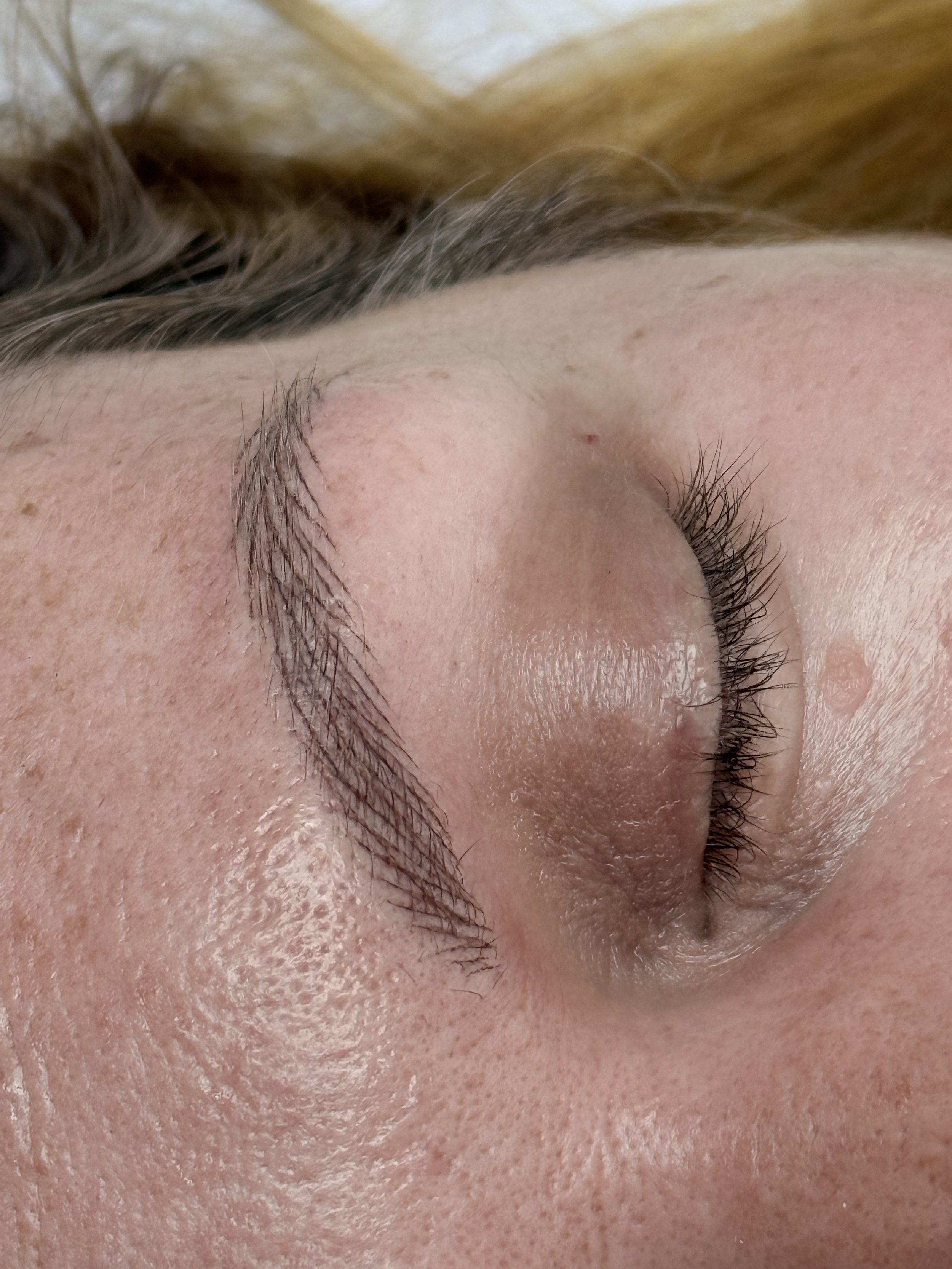
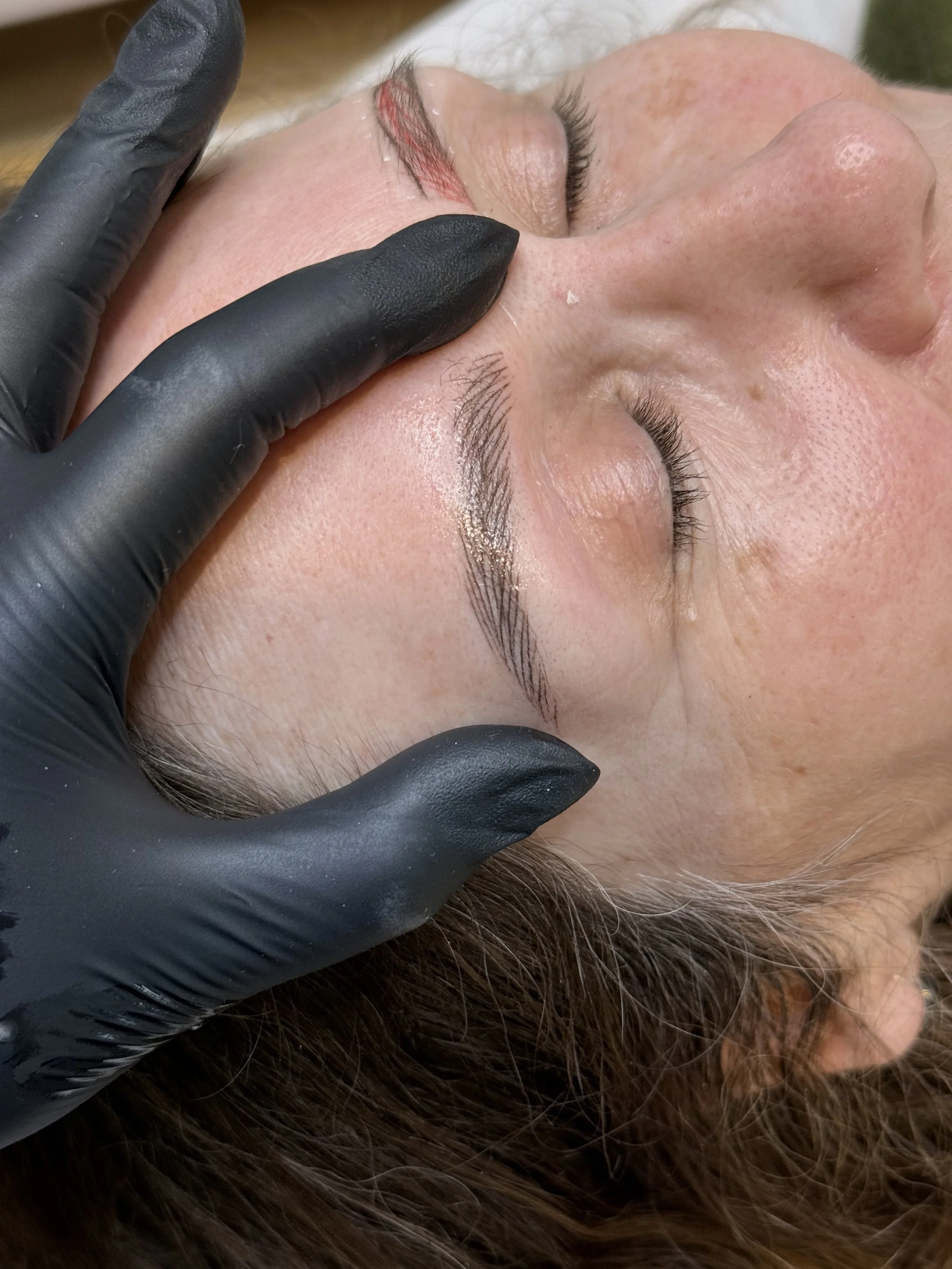
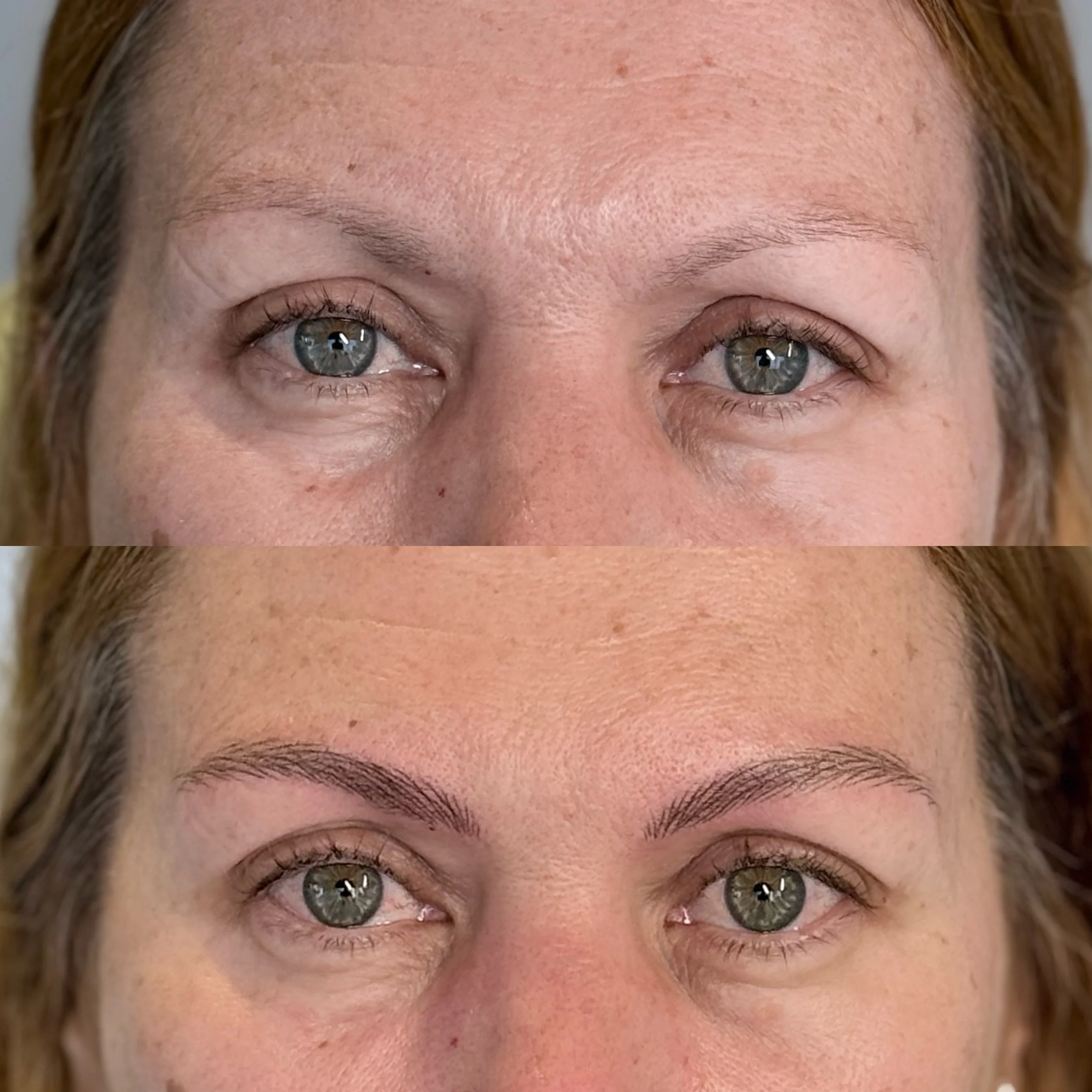
Each technique creates a different finish and together we would discuss which approach is most suitable for your skin, your preferences and your stage of recovery.
Our aim is always the same: to create soft, balanced eyebrows that feel comfortable and natural for you.
Frequently asked questions
When during or after treatment can I have this done?
This varies from person to person.
If you're currently having cancer treatment or have recently completed it, you should always speak with your oncology team before considering any semi-permanent eyebrow procedure.
We will always ask for confirmation that your medical team is happy for treatment to go ahead before booking.
Will results still look natural if I have no eyebrow hair left?
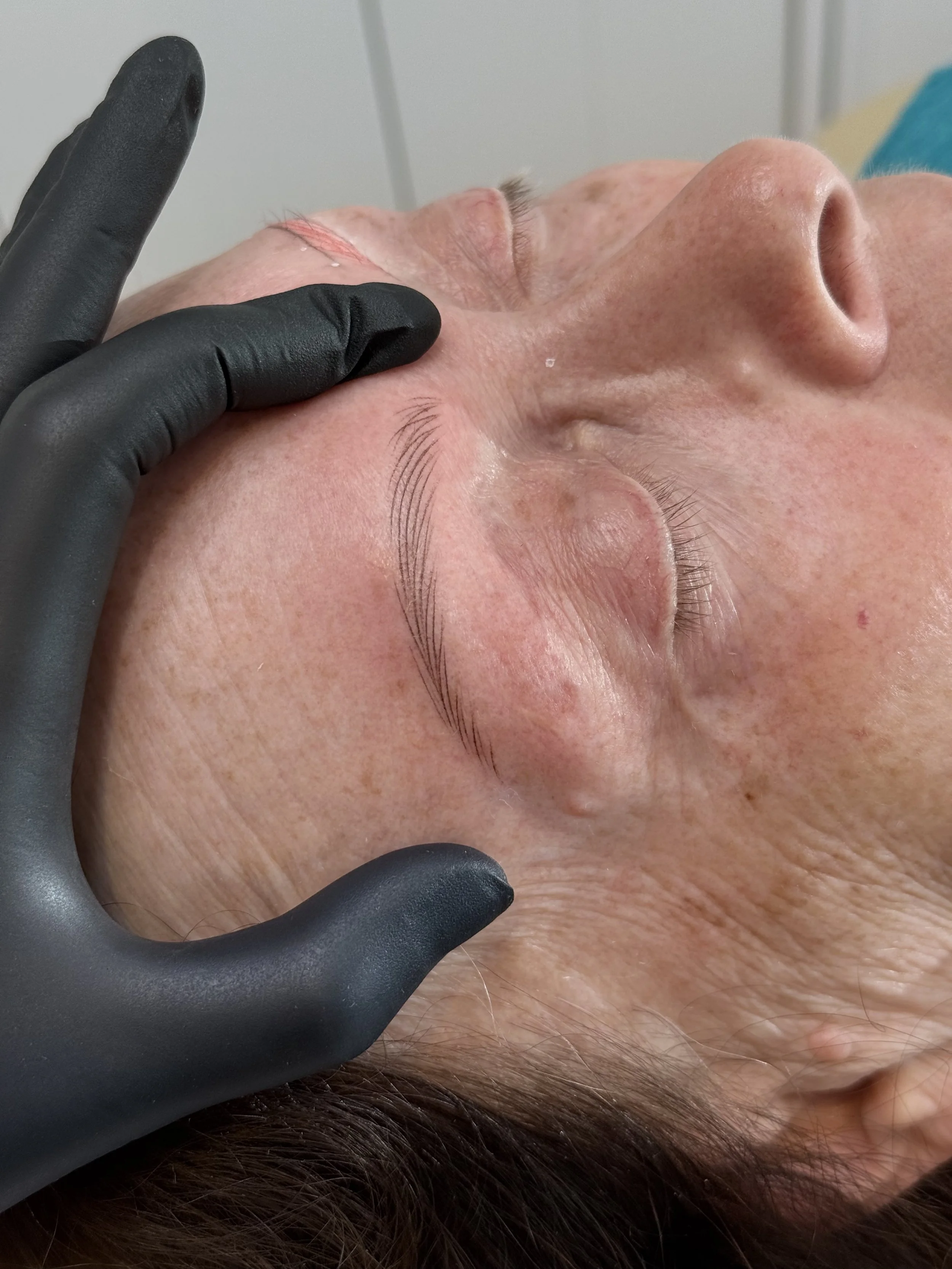
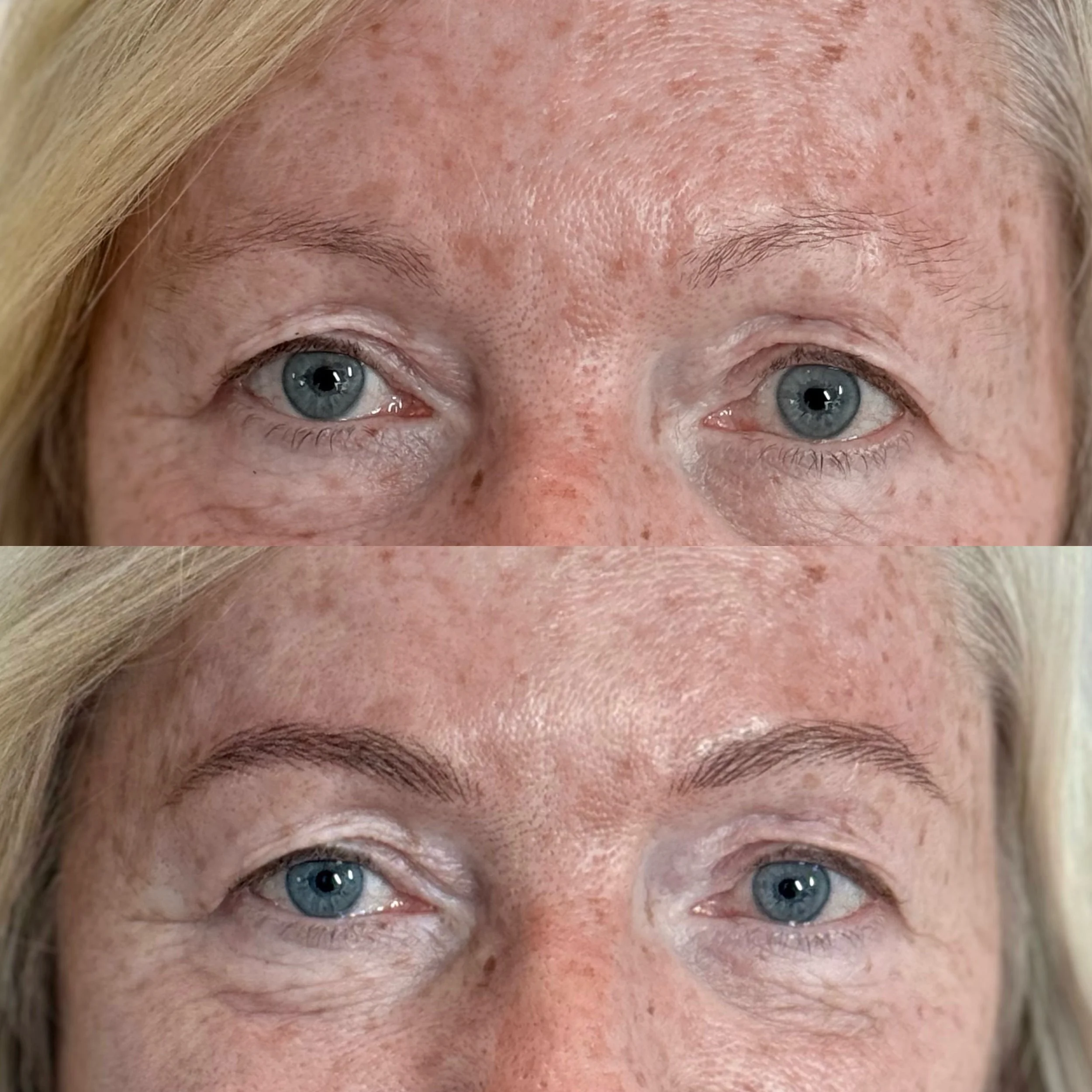
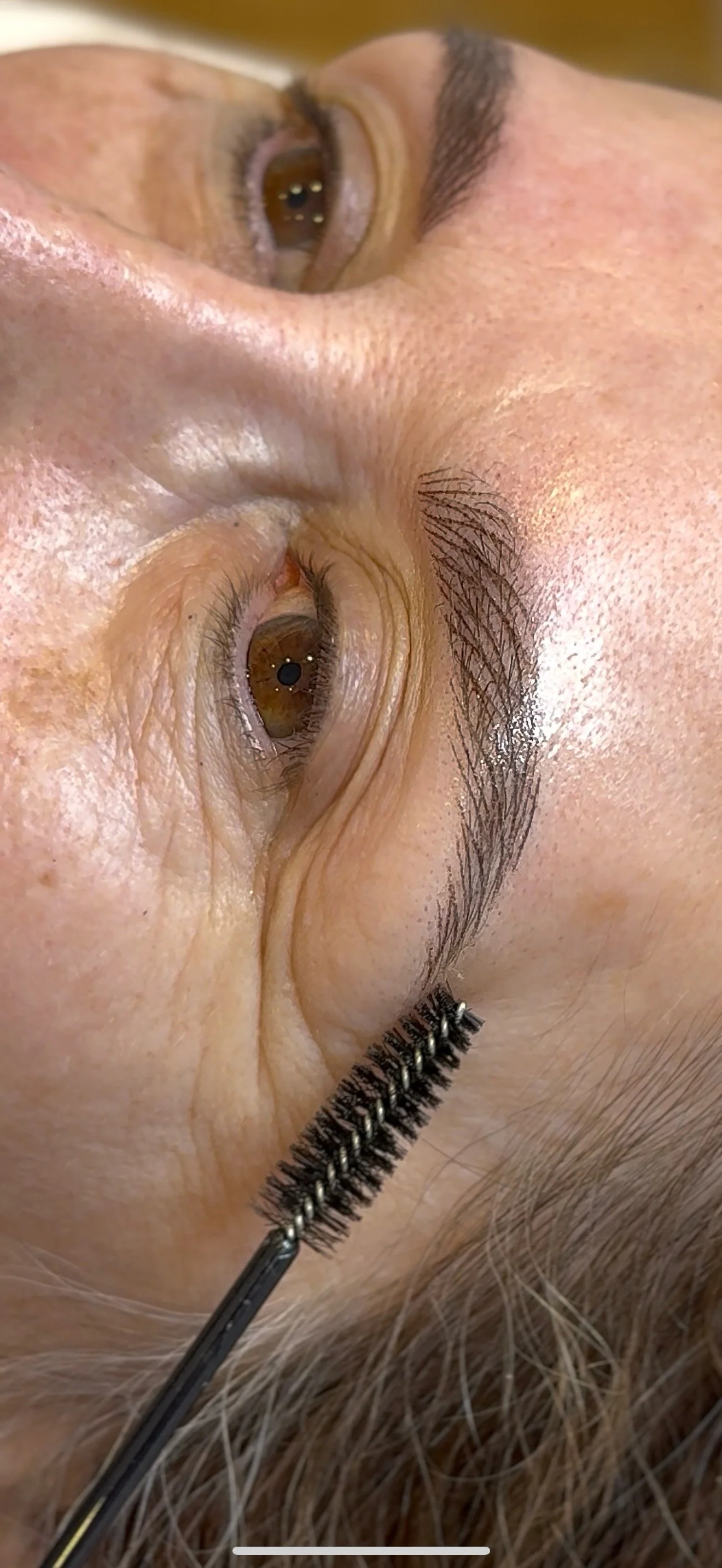
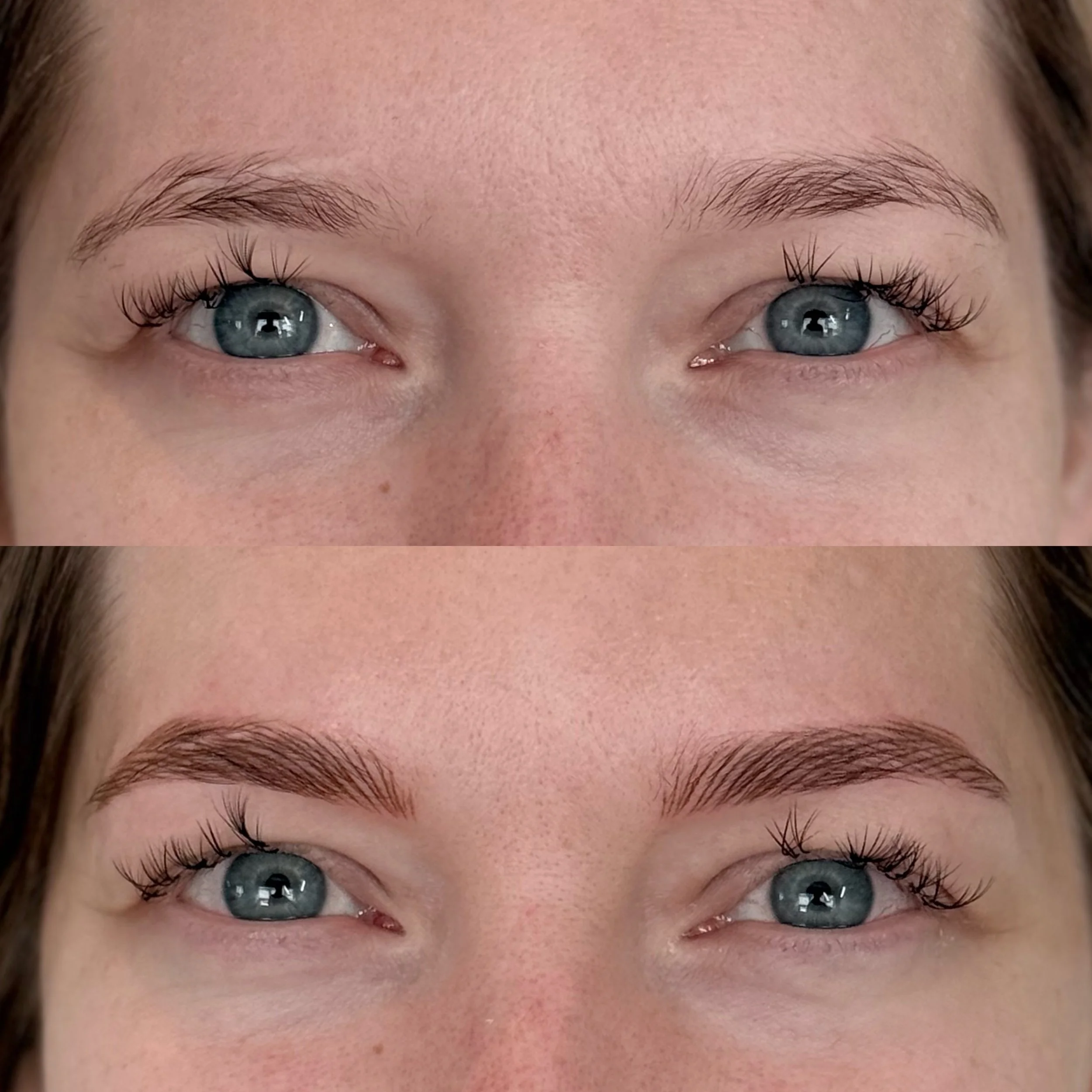
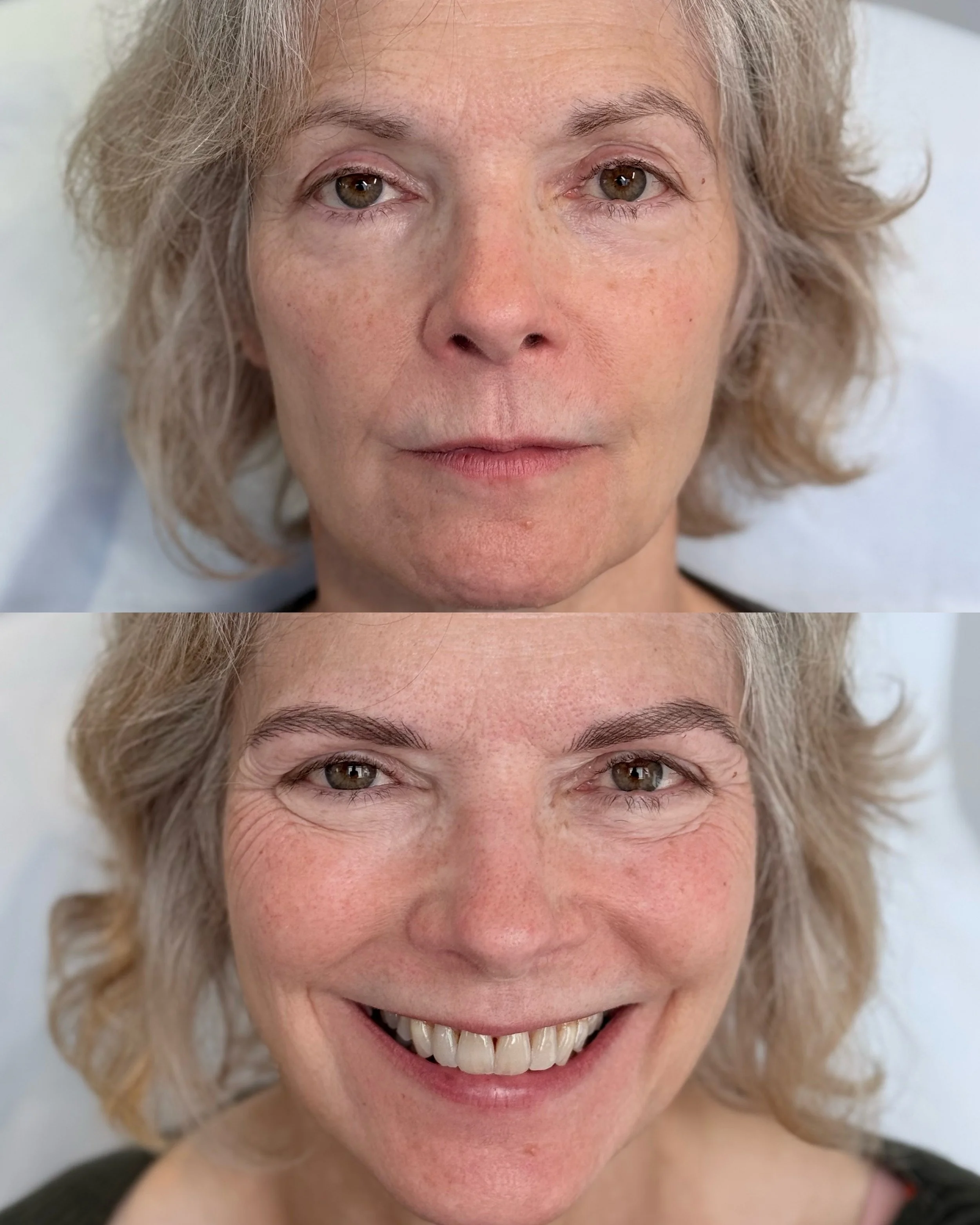
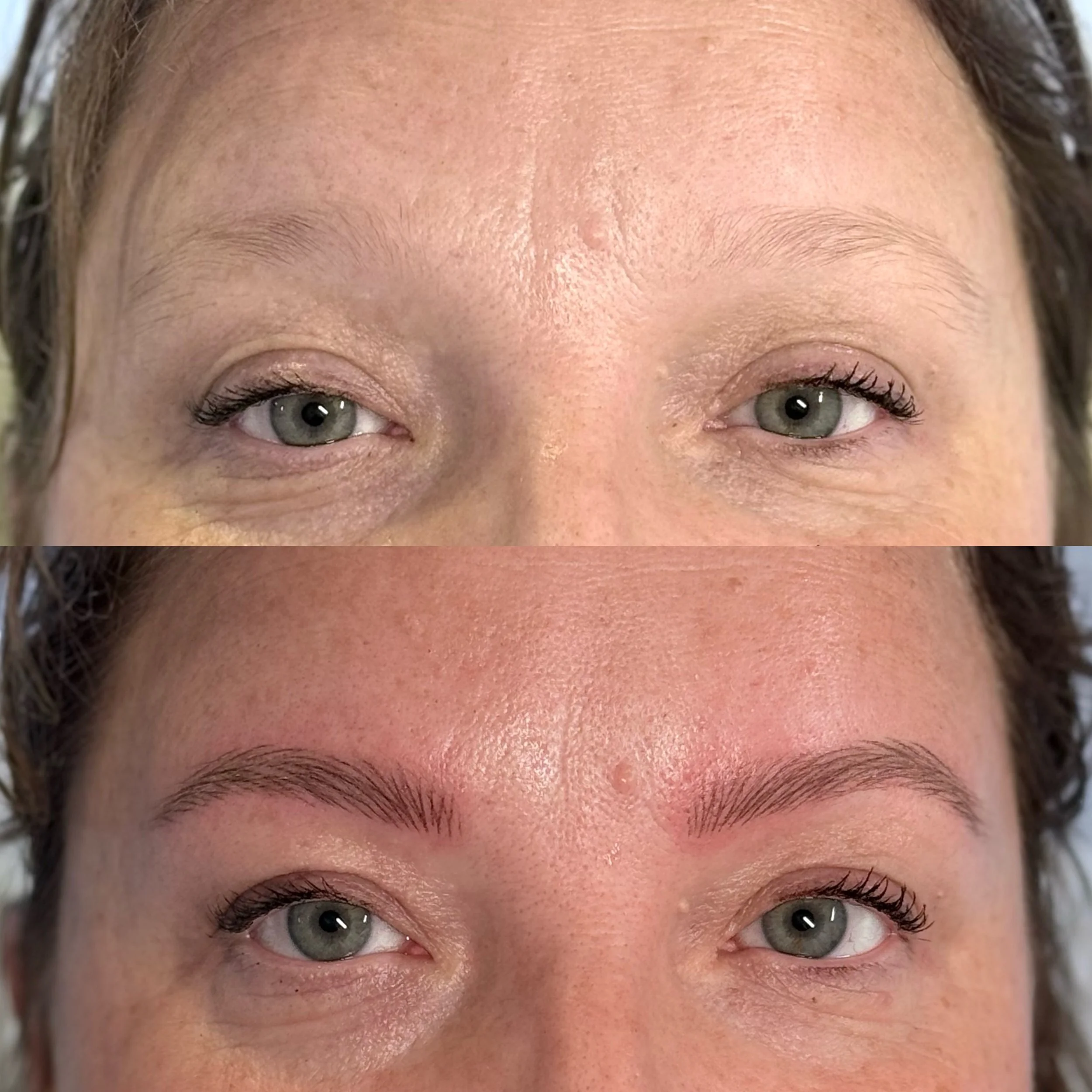
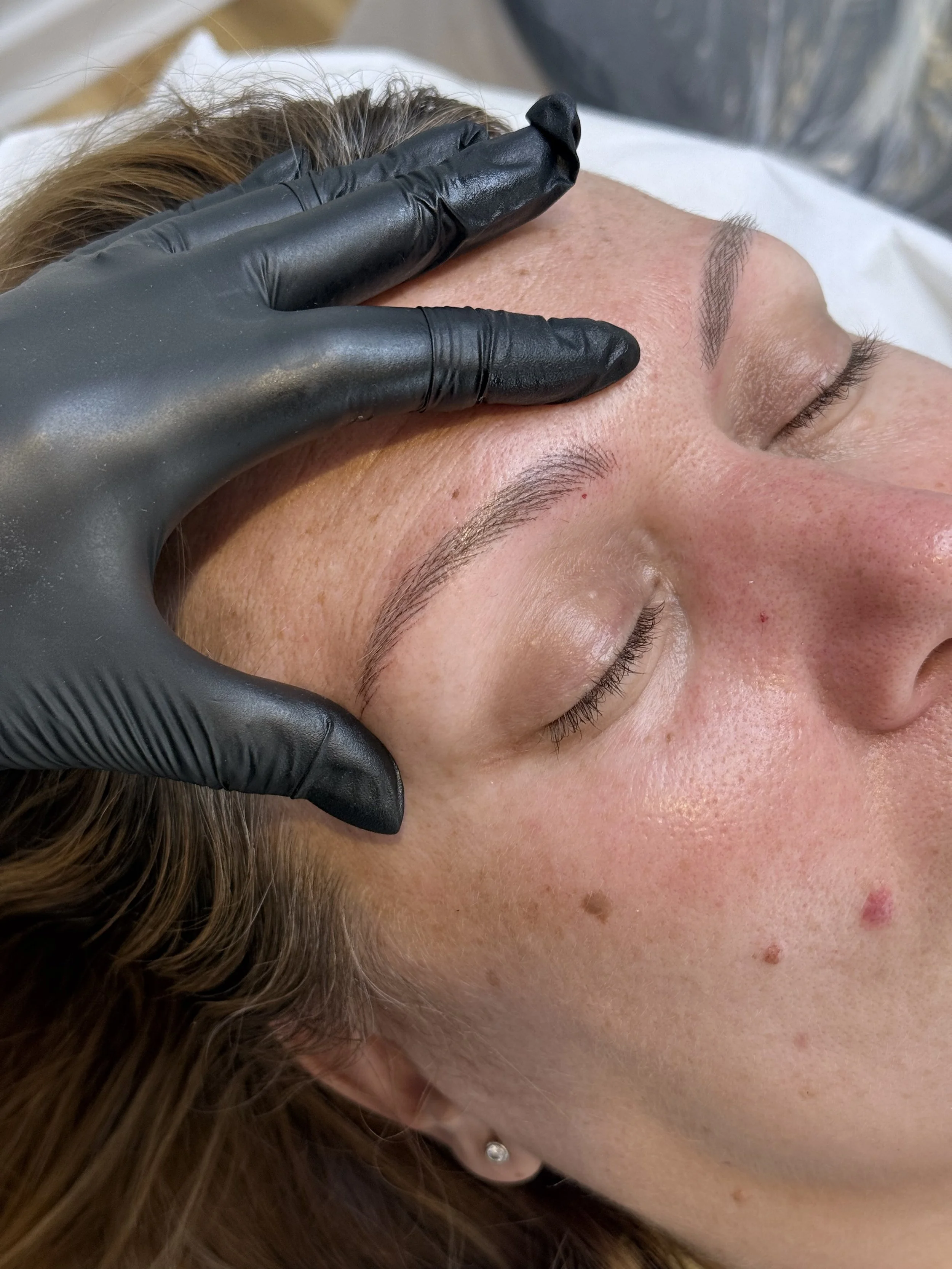
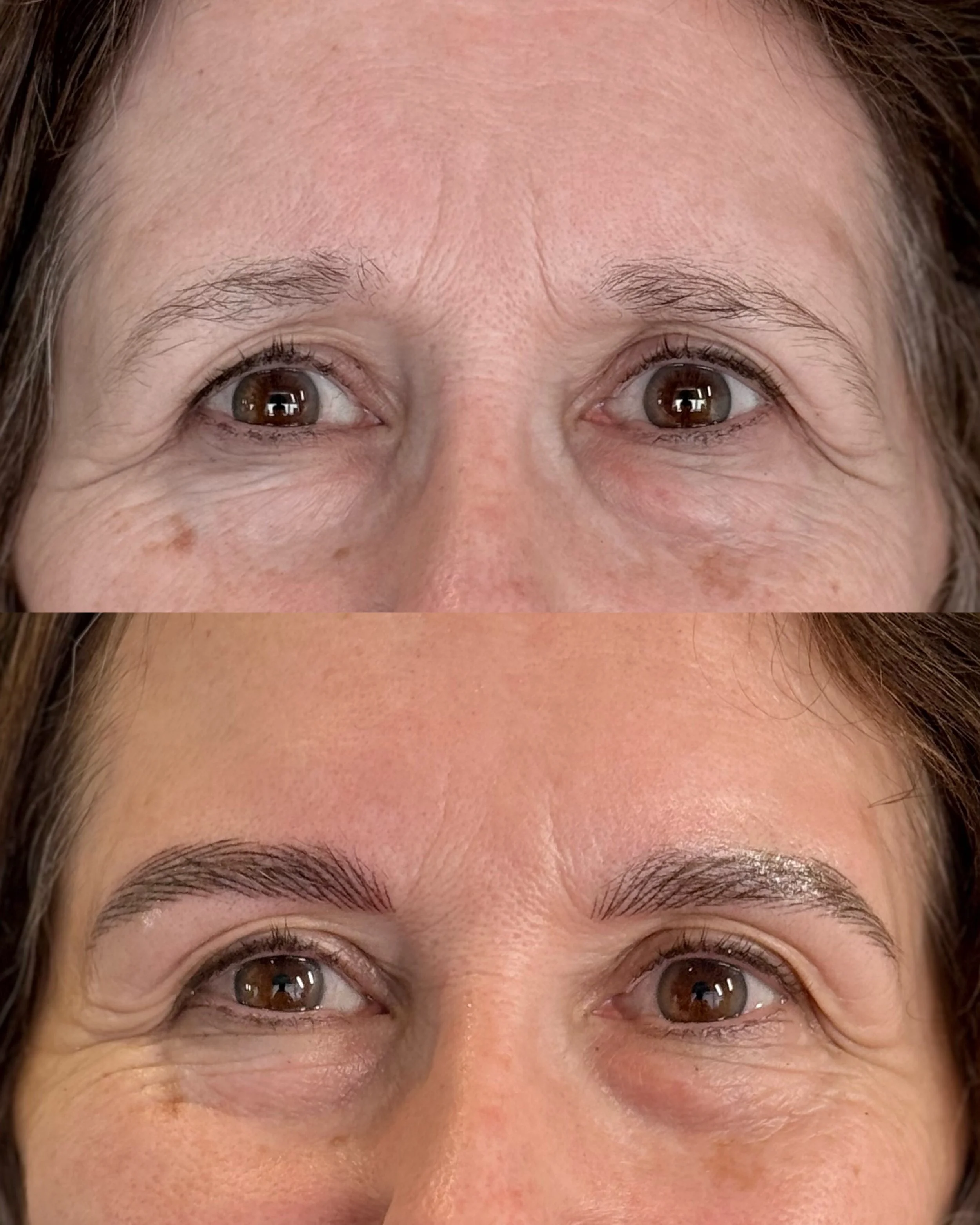
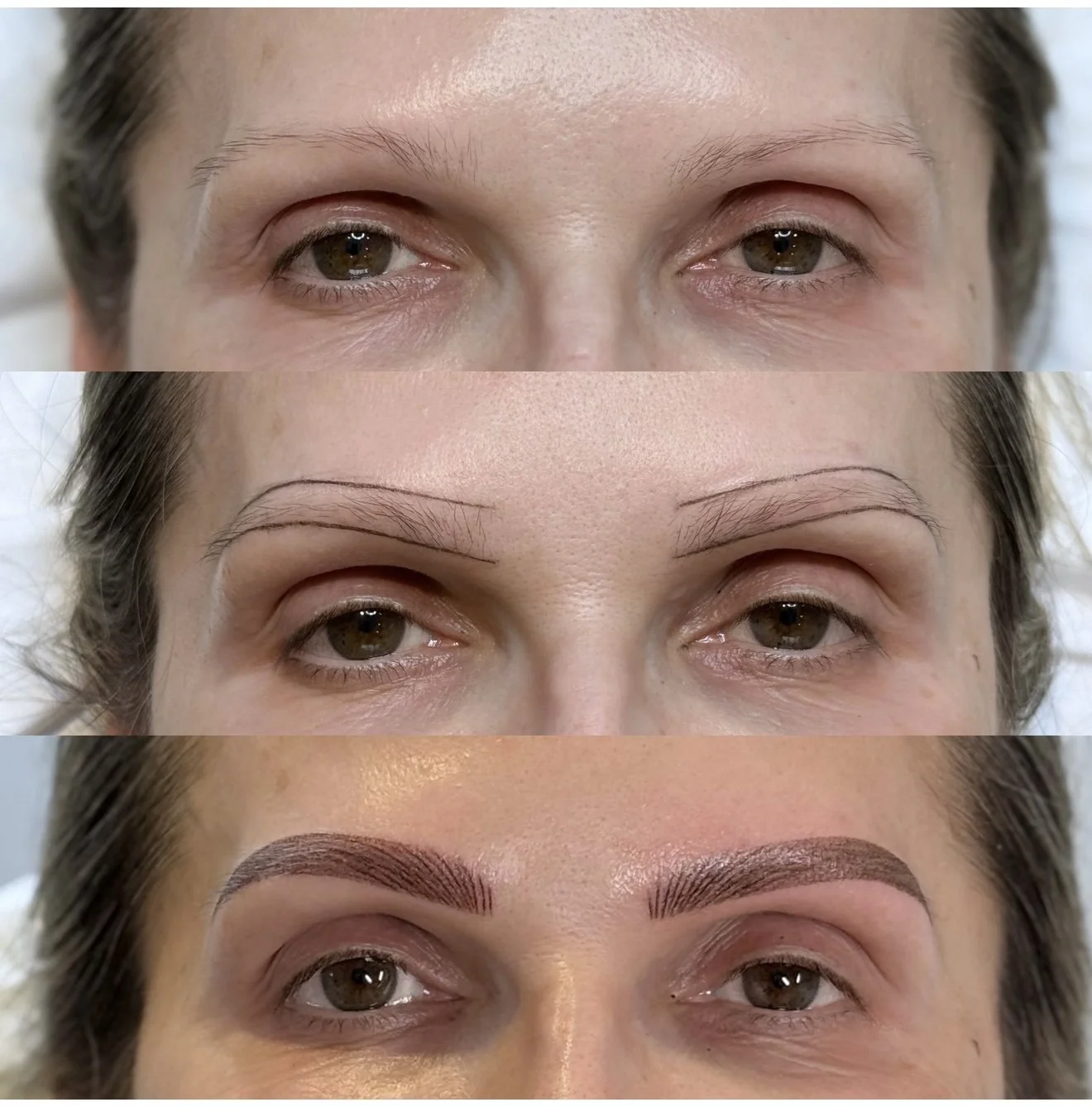
Yes. Semi-permanent brow techniques such as Nano Brows | Hyper-Realism Brows can be used to recreate the appearance of natural eyebrows using fine hair strokes even when little or no eyebrow hair remains.
The exact technique we recommend depends on your skin, facial features and the style you would like to achieve. During your consultation, we'll talk through everything carefully so you understand your options.
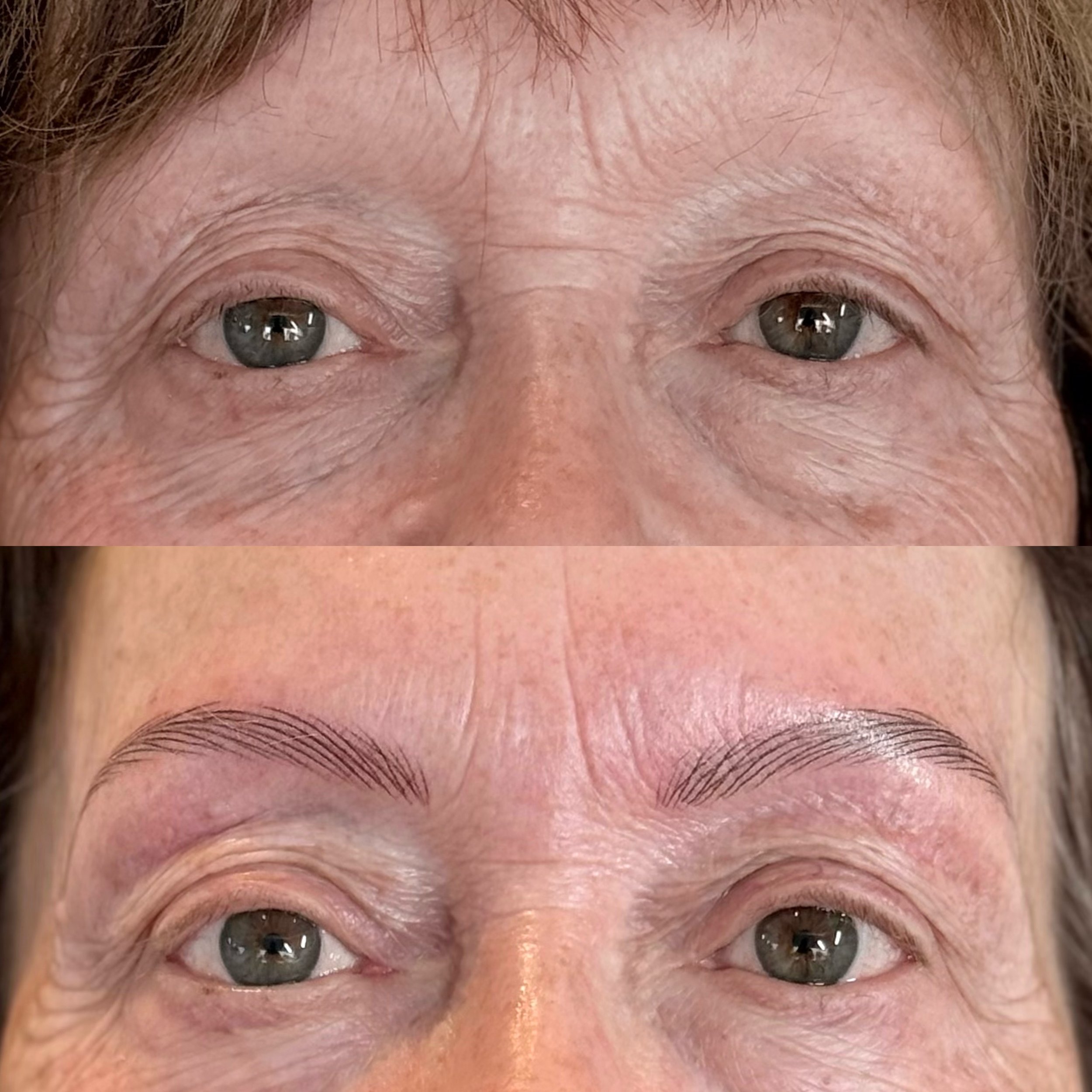
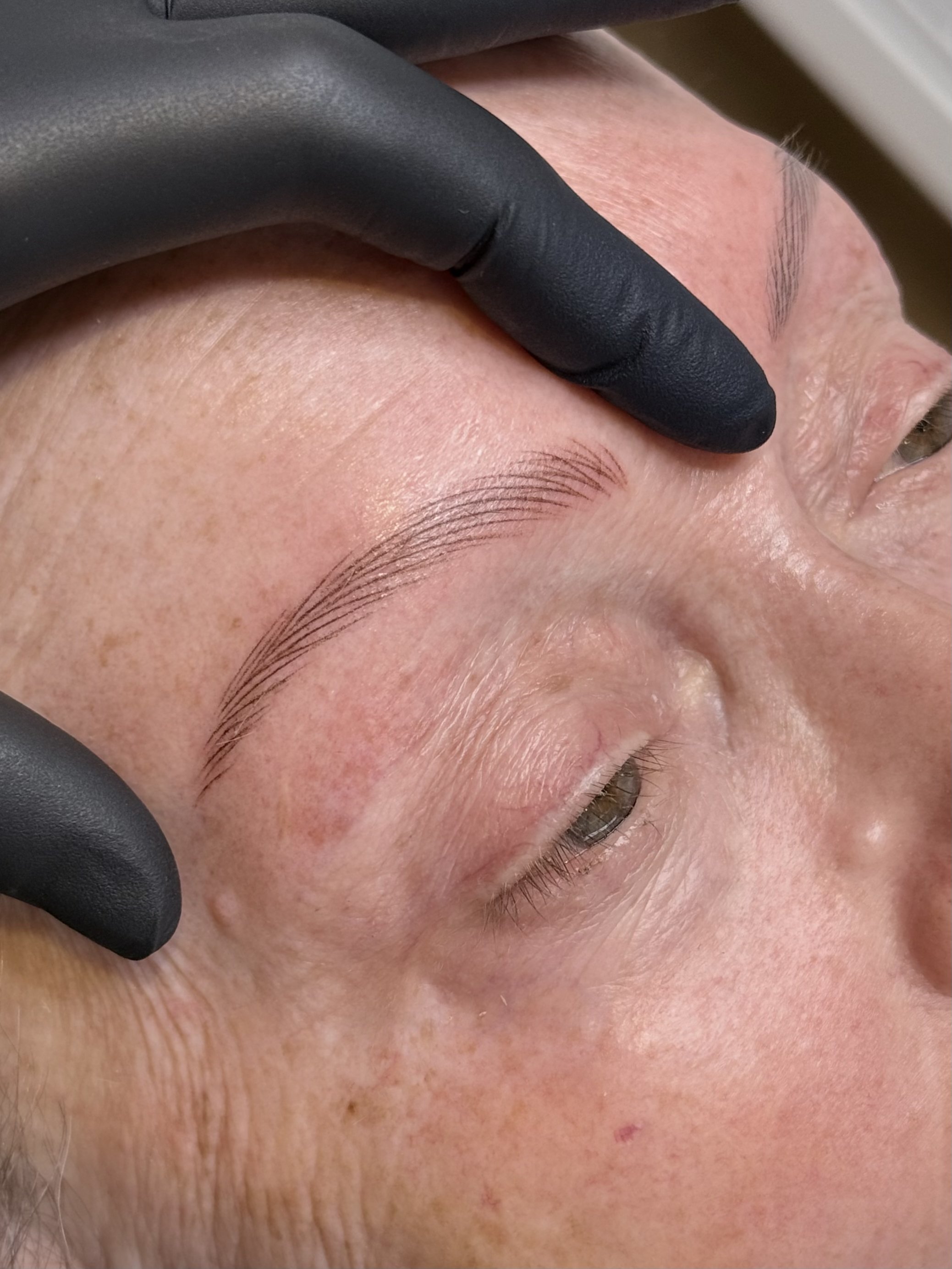
Is the treatment more sensitive on skin affected by chemotherapy?
Cancer treatment can affect the skin in different ways, which is one of the reasons we always ask clients to seek guidance from their oncology team before proceeding.
Once treatment is considered appropriate, we will take time to understand your skin, answer any questions and ensure you feel comfortable before making any decisions.
The Nano Brows | Hyper-Realism Brows treatment can be tailored to you with adaptations for sensitive skin, such as selecting different needle styles and adjusting the machine speed.
What happens if my eyebrow hair starts growing back afterwards?
Natural eyebrow hair can continue to grow back after treatment. If this happens, your semi-permanent brows and your natural hairs will blend seamlessly together and future maintenance appointments can be adapted as your brows continue to change.
Because eyebrow regrowth can be gradual, we always take a thoughtful approach when planning treatment so it continues to complement your natural appearance over time.
Losing your eyebrows can be one small part of a much bigger journey and it's completely understandable if thinking about them isn't a priority right now.
If and when you feel ready, you're very welcome to book a free, no-obligation consultation at Cambridge Brow Sanctuary. We can simply talk through your options, answer your questions and help you understand what might be suitable without any pressure to go ahead.
And if now isn't the right time, that's completely fine too. We'll be here whenever you feel ready.